Commuting to the Living Room: Creating Psychological Boundaries in a WFH Setup
Share
The greatest perk of remote work—the zero-minute commute—is simultaneously its greatest pitfall. When you wake up, walk ten steps, and sit at your desk, the critical psychological line between "home mode" and "work mode" vanishes. Without physical boundaries, work inevitably bleeds into the evening, leading to a pervasive sense of burnout. The solution lies in creating artificial psychological boundaries through structured routines and highly intentional workspace design.
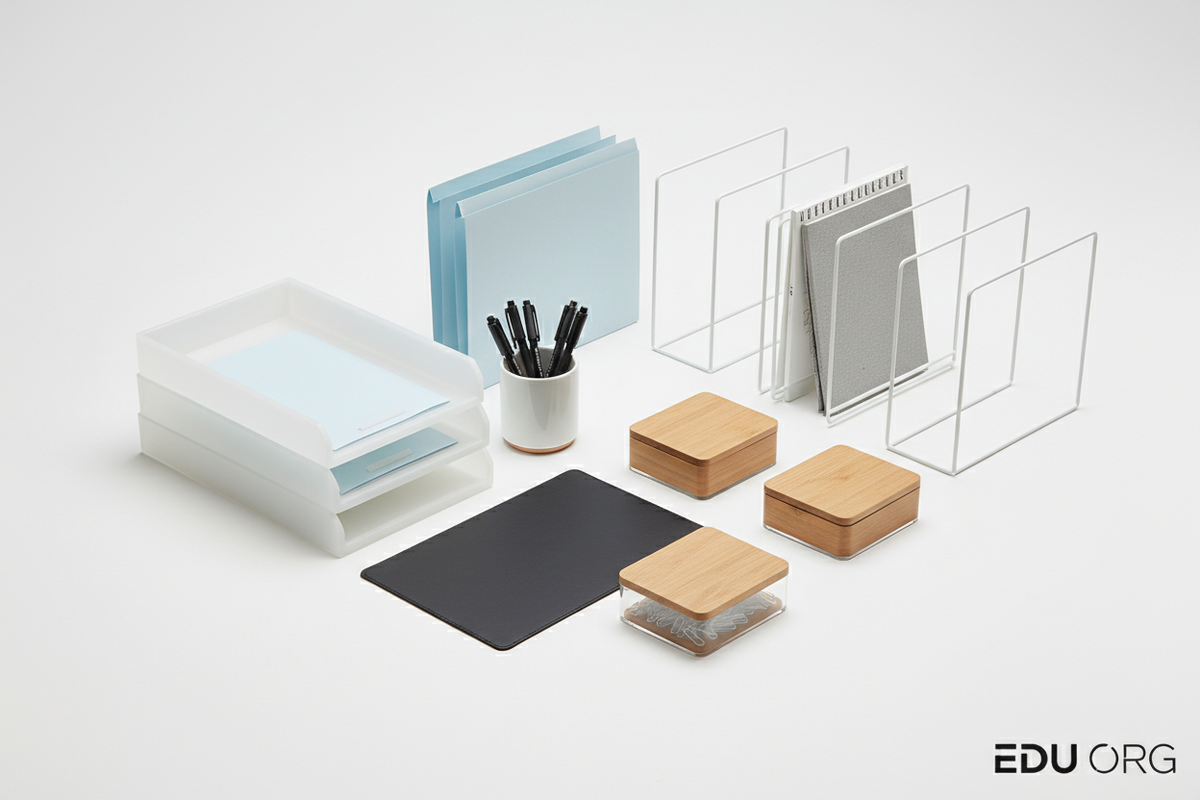
When you used to commute, the drive or train ride served as a vital transition period, allowing your brain to slowly shift into professional gear. You must recreate this transition at home. First, never use your work desk for eating meals or casually browsing the internet. When you sit at your meticulously organized desk, it must trigger a single, powerful association: it is time to perform.
You can further trick your brain into recognizing work mode using sensory cues. The tactile feel of your workspace is highly influential. Resting your arms on the cool, smooth surface of a premium vegan leather desk mat and picking up a high-quality, weighted pen sets a professional tone that sitting on a soft living room couch cannot replicate. You can even introduce olfactory boundaries by using a specific smart room fragrance or candle only during working hours.
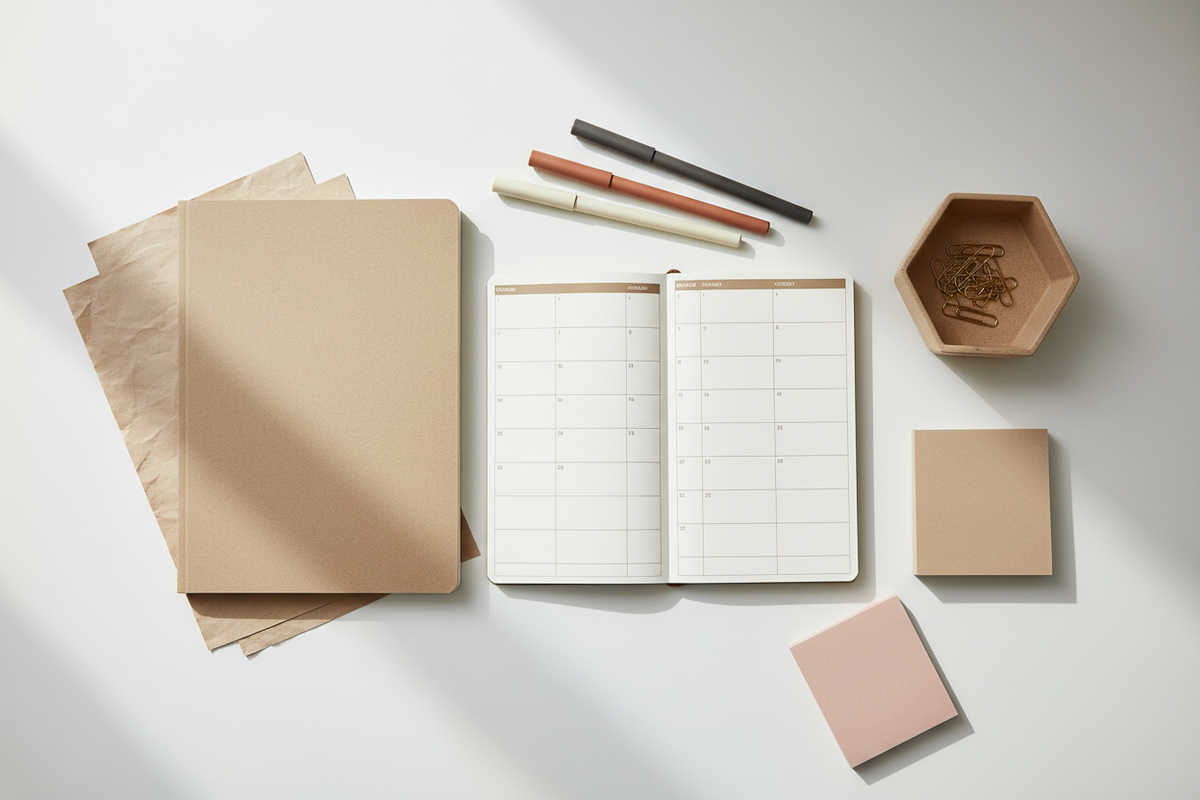
Equally important is the sacred shutdown ritual. How you end your day dictates how you will start the next. Establish a strict five-minute routine to physically close out your work. Write all remaining thoughts and tomorrow's priorities in your physical planner, file loose papers into your document tray, completely clear the center of your desk, and finally, turn off your desk lamp. Stepping away from a perfectly reset desk provides profound psychological closure, allowing you to truly leave the office, even if the office is in your living room.